-
 E-mail
-
 WhatsApp
CTV Valve:
+8613362917910
E-mail WhatsApp E-mail WhatsApp 
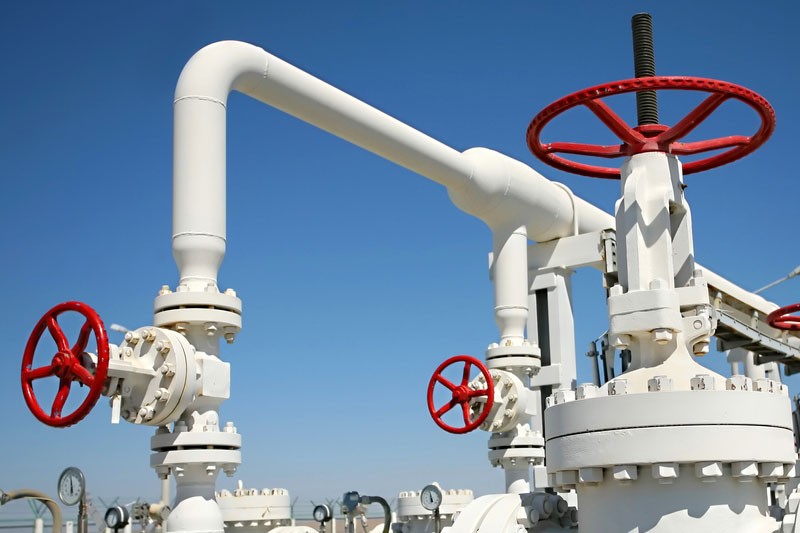
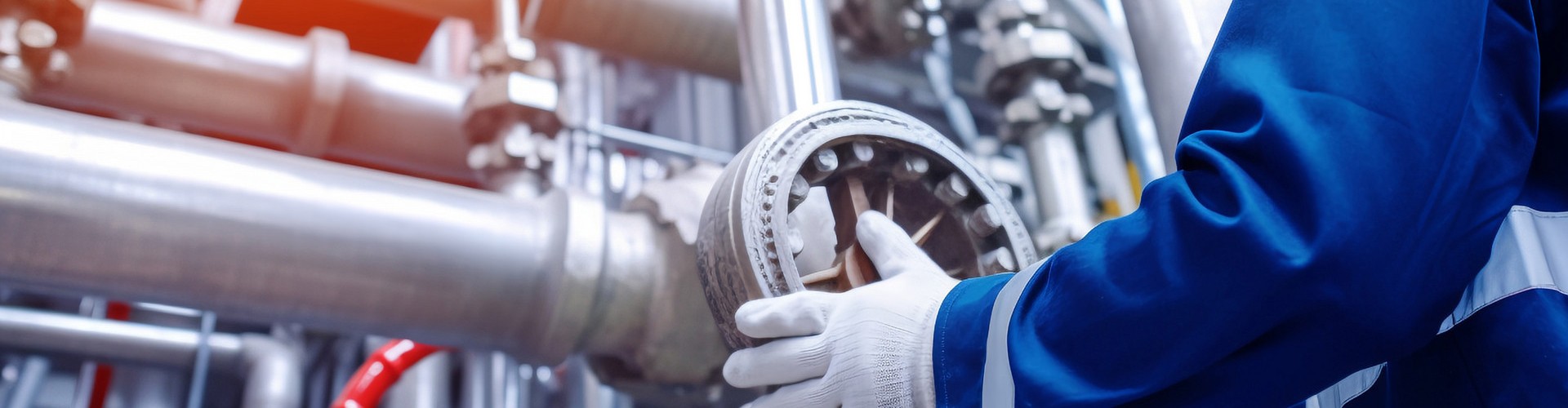

The V-shaped ball valve is a specialized type of ball valve designed for precision flow control in systems that require accurate regulation of fluid flow. Unlike traditional ball valves, the ball in a V-shaped ball valve has a V-shaped notch or groove cut into its surface. This unique design allows for more precise throttling of the flow, making it ideal for applications where fine adjustments are needed, such as regulating the flow of gases, liquids, or slurries. The V-shaped ball valve is particularly popular in industries such as chemical processing, water treatment, and HVAC systems, where flow modulation is critical.
The V-shaped ball valve operates similarly to a standard ball valve in terms of turning the ball to control the flow of fluid, but with a distinct advantage in controlling partial flow. The ball in a V-shaped ball valve has a V-shaped cut or slot that allows it to modulate the flow of fluid in a more controlled and linear manner. This enables more precise regulation compared to standard ball valves, which are generally used for on/off flow control.
Key features and functionalities of the V-shaped ball valve include:
· Flow Modulation: The V-shaped ball allows for the regulation of the fluid flow in addition to simple on/off control. The notch ensures that the valve can precisely throttle the flow.
· Reduced Flow Turbulence: The V-shaped notch helps reduce turbulence and fluid cavitation by directing the flow through a narrower, more focused path.
· Accurate Adjustment: The V-shaped design offers fine control over fluid flow, making it ideal for systems that require precise flow rates or pressure control.
· Wide Flow Range: V-shaped ball valves can manage a broad range of flow conditions and are highly versatile in both low and high-pressure systems.
A V-shaped ball valve consists of the following key components:
· V-Shaped Ball: The core feature of the valve, the ball has a V-shaped notch or groove, which regulates the flow in a more controlled manner. The V-notch can vary in size and angle depending on the specific application requirements.
· Body: The valve body encases the ball and connects the valve to the pipeline system. It is typically made of durable materials such as stainless steel or cast iron.
· Stem: The stem connects the actuator to the ball and transmits the rotational motion that opens or closes the valve.
· Seat: The seat is the surface that makes contact with the ball and forms the sealing point when the valve is closed. Materials like PTFE (polytetrafluoroethylene) are often used for seats due to their excellent sealing and chemical resistance properties.
· Actuator: The actuator (manual, electric, pneumatic, or hydraulic) controls the rotation of the ball, which allows the valve to open, close, or throttle the flow as required.
V-shaped ball valves are widely used in industries where precise flow control, regulation, and throttling are critical. Some of the common applications include:
1. Chemical and Petrochemical Industries:In these industries, V-shaped ball valves are used for regulating the flow of chemicals, solvents, and acids. The precise flow control ensures the safety and efficiency of the processes.
2. Water and Wastewater Treatment: These valves are used to control water flow in treatment plants. Their throttling capabilities allow for the adjustment of flow rates, particularly during filtration or chemical dosing.
3. Power Generation: In power plants, V-shaped ball valves are used for steam and water control in high-pressure systems. Their ability to modulate flow is essential in ensuring the proper functioning of the plant.
4. HVAC Systems: V-shaped ball valves are employed in HVAC systems to control the flow of water or refrigerants, particularly in heating and cooling applications.
5. Food and Beverage Industry: The sanitary design of the V-shaped ball valve makes it ideal for use in the food and beverage industry, where flow control and hygiene are essential.
6. Pharmaceutical Industry: These valves are also used in pharmaceutical manufacturing, where precise flow control of liquids and gases is needed to maintain product quality and consistency.