-
 E-mail
-
 WhatsApp
CTV Valve:
+8613362917910
E-mail WhatsApp E-mail WhatsApp 
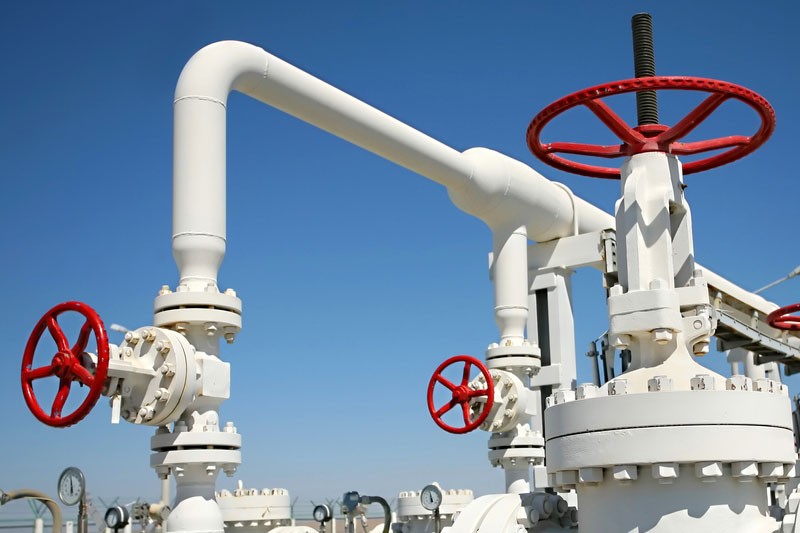
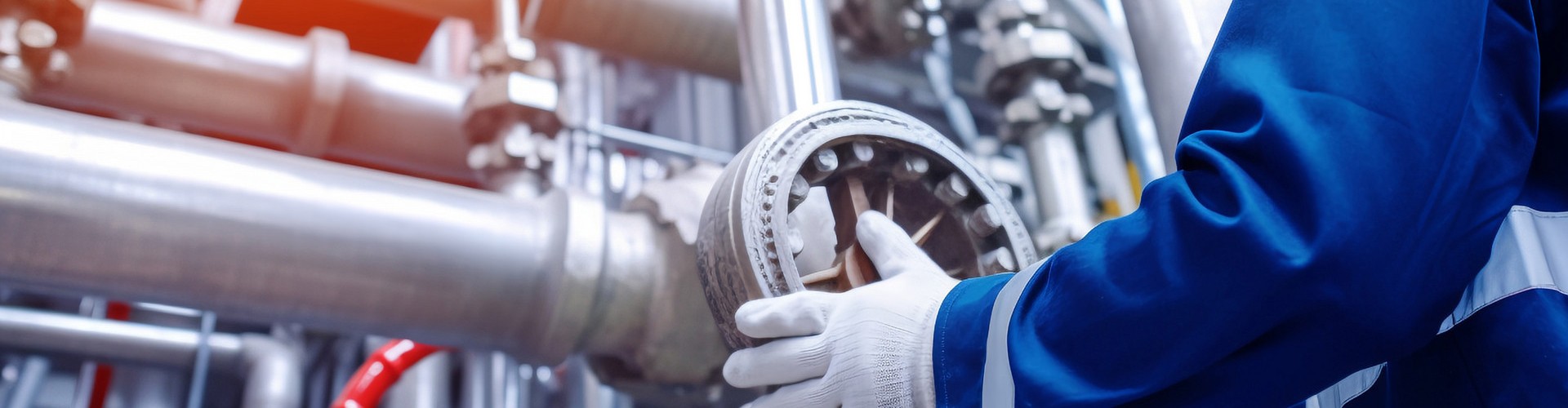
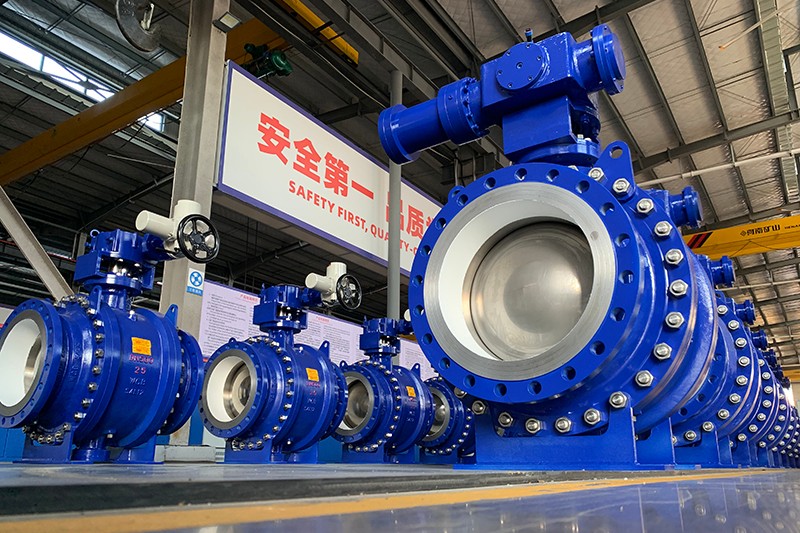
A metal-seated ball valve, also known as a metal hard-seated ball valve, is a type of ball valve where both the valve ball and the seat are made from durable metal materials, rather than the softer, elastomeric materials commonly used in traditional ball valves. This design makes metal-seated ball valves ideal for applications involving high temperatures, high pressures, abrasive materials, or aggressive chemicals where traditional soft-seated valves might fail. The robust construction of metal-seated ball valves provides excellent sealing performance, reliability, and longevity, even under harsh operating conditions.
The metal-seated ball valve operates similarly to other ball valves in terms of its basic principle: a ball with a hole through its center rotates within the valve body to either permit or block fluid flow. However, in a metal-seated ball valve, both the ball and the valve seat are made of metal, typically alloys such as stainless steel, chrome, or other hardened materials.
The key characteristics of metal-seated ball valves include:
· On/Off Flow Control: Like traditional ball valves, metal-seated ball valves provide reliable on/off flow control with a quick, 90-degree rotation of the valve handle or actuator.
· Durability and High-Temperature Resistance: The metal seats and ball are resistant to high temperatures, making them ideal for use in applications where temperatures exceed the limits of soft materials, such as rubber or PTFE seats.
· Pressure Resistance: Metal-seated valves are designed to handle higher pressures and aggressive fluids, including steam, gases, and slurries.
· Tight Sealing: Although they are harder than soft-seated valves, metal-seated valves can still provide a good seal under pressure, depending on the quality of the materials and precision in manufacturing.
A typical metal-seated ball valve consists of several components, each contributing to its durability and performance:
· Valve Body: The body of the valve holds the internal components, and it’s typically made from a strong material such as carbon steel, stainless steel, or other high-strength alloys.
· Ball: The ball is typically made of metal alloys, like stainless steel or chrome, and features a smooth or slightly recessed surface that interacts with the metal seat to control the flow of fluids.
· Metal Seat: Unlike soft-seated ball valves, which use elastomers like PTFE or rubber for sealing, metal-seated ball valves use metal seats to ensure sealing even at extreme temperatures or when handling abrasive materials.
· Stem: The stem connects the ball to the actuator or handle, transmitting the rotational motion that opens or closes the valve.
· Seals and Gaskets: Metal-seated valves use specialized seals and gaskets to prevent leakage around the ball and stem, ensuring that the valve operates without fluid loss. These seals are often made of high-performance materials, such as graphite, to withstand high temperatures and pressures.
Metal-seated ball valves are used in a wide variety of applications, particularly those where high temperature, high pressure, or aggressive fluids are involved. Common industries and applications include:
1. Oil and Gas: Metal-seated ball valves are widely used in upstream and downstream oil and gas applications, where high pressures and temperatures are common. These valves are ideal for isolating or regulating the flow of crude oil, natural gas, or other hydrocarbons.
2. Chemical Processing: Chemical plants often require valves capable of handling aggressive chemicals at elevated temperatures and pressures. Metal-seated ball valves are well-suited for such environments, providing long-lasting performance and reliable flow control.
3. Power Generation: In power plants, especially those utilizing steam, metal-seated ball valves are used for steam isolation and control. The ability of these valves to withstand high temperatures and pressures makes them essential in the control of steam and water flow.
4. Water Treatment: Metal-seated ball valves are also used in water treatment plants, where they are used for isolating or regulating the flow of water or wastewater under varying pressures.
5. High-Temperature Applications: Any industry requiring valves for high-temperature applications—such as thermal power plants, furnace systems, and other heat-intensive processes—can benefit from metal-seated ball valves.
6. Marine and Offshore: These valves are often used in marine and offshore platforms due to their ability to handle corrosive sea water and extreme operating conditions.