-
 E-mail
-
 WhatsApp
CTV Valve:
+8613362917910
E-mail WhatsApp E-mail WhatsApp 
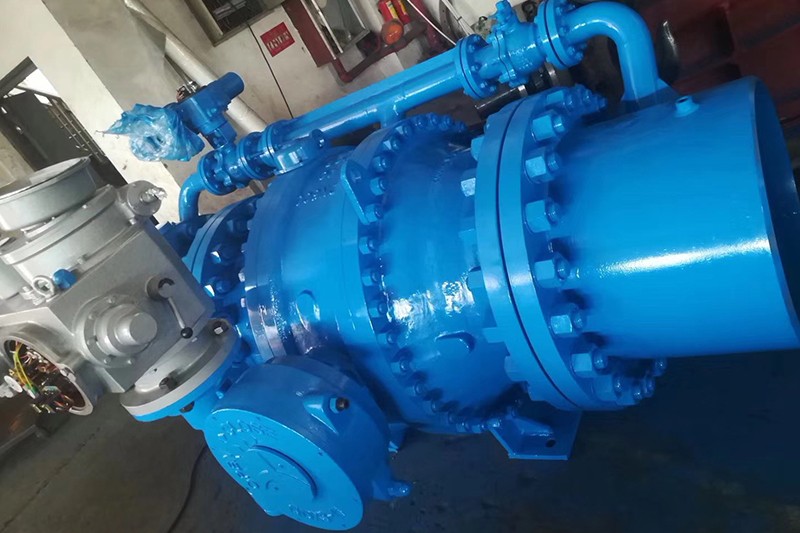
A hydroelectric ball valve is a type of ball valve specifically designed for use in hydroelectric power plants or water control systems where precise regulation and isolation of water flow are required. These valves play a critical role in managing the flow of water through turbines, pumps, and other essential components in a hydroelectric system. Due to the nature of the application, hydroelectric ball valves are built to handle high pressures, large volumes of water, and harsh environmental conditions.
Ball valves, in general, are widely appreciated for their reliable on/off control, tight sealing, and ability to handle varying flow rates. For hydroelectric systems, where water flow control can directly impact energy production and system efficiency, using specialized ball valves ensures smooth and safe operation of the plant.
The hydroelectric ball valve functions similarly to traditional ball valves but is designed with enhanced features to meet the specific demands of hydroelectric applications. The core mechanism involves a hollowed-out ball that rotates within the valve body to either allow or block fluid flow. When the ball's hole aligns with the pipeline, water can flow through; when the ball is rotated 90 degrees to a closed position, the flow is blocked.
For hydroelectric systems, the main purposes of the ball valve are:
1. Flow Control: The valve can regulate the flow of water, whether it is being directed to the turbine or diverted for other uses. It allows operators to manage water flow, optimize energy production, and prevent overpressure situations.
2. Isolation: The valve provides a quick and reliable method of isolating sections of the pipeline or machinery, which is important for maintenance, repairs, or system shutdowns.
3. Pressure Management: In a hydroelectric plant, pressure regulation is vital to maintaining system stability. The ball valve can be part of the pressure control system, especially in bypass lines or discharge lines, ensuring smooth water flow without dangerous pressure spikes.
A hydroelectric ball valve typically consists of several components designed for high-performance under challenging water conditions:
1. Valve Body: Constructed from durable materials such as stainless steel, carbon steel, or ductile iron, the valve body is built to withstand high-pressure water flow and environmental factors, including corrosion and erosion from flowing water.
2. Ball: The ball, which is usually made of metal, features a hollow core and rotates within the valve body to open or close the flow path. The ball is often coated with materials such as chrome or stainless steel to improve resistance to abrasion and corrosion caused by the water flow.
3. Seats: The valve's seats are typically made of resilient materials like PTFE (Polytetrafluoroethylene) or metal alloys. These seats ensure that the ball forms a tight seal when the valve is closed, preventing any leakage even under high-pressure conditions.
4. Stem: The stem connects the actuator to the ball, transmitting the mechanical force that rotates the ball to control the flow. It is typically designed with anti-corrosion properties to ensure long-term performance.
5. Seals and Gaskets: To prevent leakage, high-performance seals and gaskets are used around the stem and at the connection points. These seals are made of materials capable of withstanding water, pressure fluctuations, and temperature changes in the system.
6. Actuator: Hydroelectric ball valves can be manually operated, or they may be equipped with actuators (electric, pneumatic, or hydraulic) for automated control. The actuator enables quick and precise control of the valve, essential for maintaining system stability in a power plant.
Hydroelectric ball valves are widely used in various parts of hydroelectric power plants, including:
1. Turbine Control: Ball valves are used to control water flow to the turbines. By adjusting the flow of water to the turbines, the valve helps regulate power generation to match the demand and maintain efficiency.
2. Pressure Relief and Regulation: Ball valves are used in pressure relief systems to protect pipelines and equipment from overpressure, especially in the discharge or bypass lines.
3. Water Intake Isolation: Ball valves are commonly used to isolate the water intake systems during maintenance or in the event of an emergency. They can quickly shut off water flow, preventing damage to the turbine or other critical components.
4. Hydroelectric Penstock Systems: The penstock is the large pipe that carries water from the reservoir to the turbine. Ball valves are used in penstock systems for isolation, maintenance, and pressure control.
5. Bypass and Diversion Lines: Hydroelectric systems often require the diversion or bypassing of water flow for maintenance or safety reasons. Ball valves are used in these lines to provide quick isolation or regulation of water flow.
6. Auxiliary Systems: Ball valves are also used in other water-handling systems, such as cooling systems, sluice gates, and flood control systems within the plant.