-
 E-mail
-
 WhatsApp
CTV Valve:
+8613362917910
E-mail WhatsApp E-mail WhatsApp 
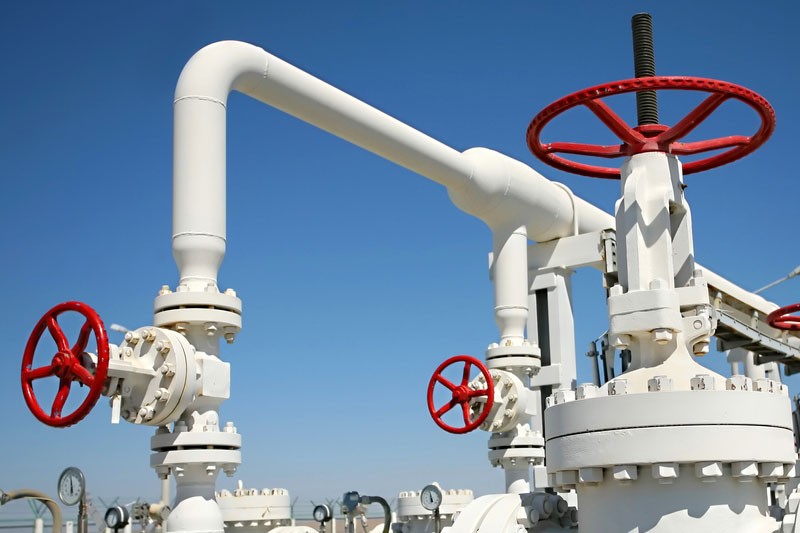
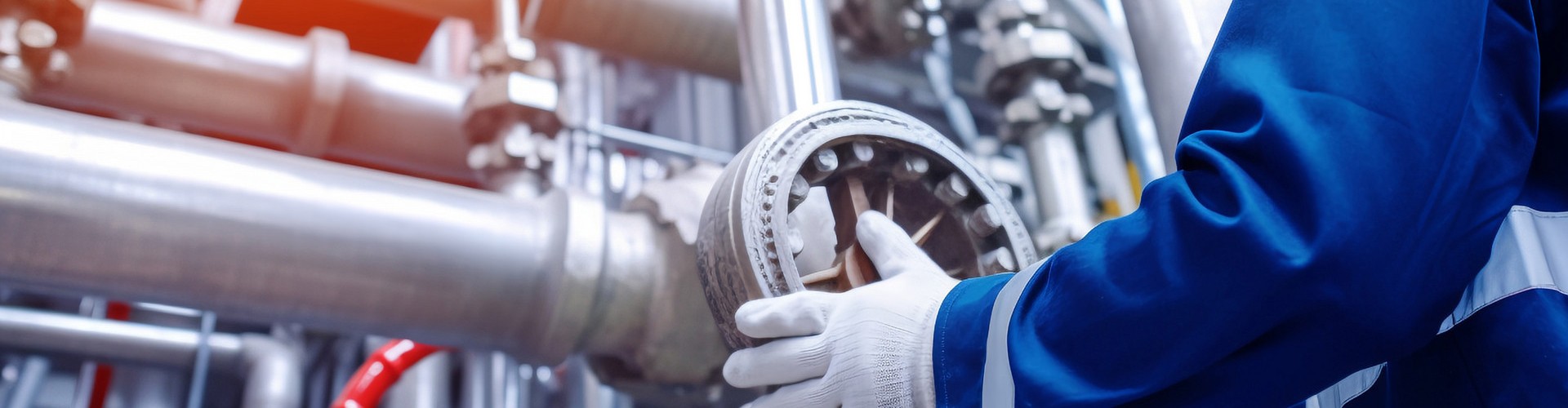
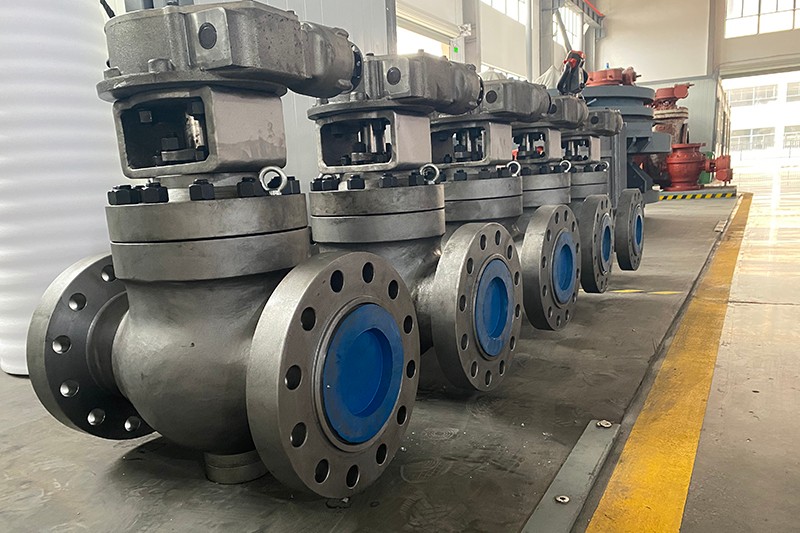
A high-temperature and high-pressure ball valve is a specialized type of ball valve designed to operate in extreme conditions where both temperature and pressure are significantly elevated. These valves are critical components in industries such as oil and gas, power generation, chemical processing, and steam systems, where fluid handling is required under harsh operating environments. High-temperature and high-pressure ball valves are specifically engineered to ensure reliable sealing and robust performance in systems subject to thermal expansion, high-pressure fluctuations, and aggressive fluids.
These valves are constructed using materials that can withstand the thermal stresses of high temperatures and the mechanical stresses of high-pressure environments. The design ensures both performance reliability and longevity, even under the most demanding conditions.
High-temperature and high-pressure ball valves function in the same basic manner as traditional ball valves, controlling fluid flow by rotating a ball with a hole through it. When the ball is rotated, the hole aligns with the flow path, allowing fluid to pass through. When rotated to the closed position, the ball blocks the flow path, stopping the fluid.
However, the high-temperature and high-pressure variants have key design features that differentiate them from standard ball valves:
1. Enhanced Sealing Performance: High-temperature and high-pressure ball valves are designed with materials that can handle extreme heat and pressure without compromising the seal. Special sealing mechanisms and materials are used to ensure tight shutoff and leak-free operation under these conditions.
2. Durable Materials: These valves are made of high-strength materials, such as stainless steel, alloy steels, or nickel-based alloys, capable of withstanding extreme thermal and mechanical stresses.
3. Thermal Expansion Resistance: The valve components are designed to resist the effects of thermal expansion, preventing deformation or failure due to extreme temperature fluctuations.
4. Pressure Resistance: These valves are specifically built to handle high-pressure systems, typically used in steam, oil, gas, and chemical transport systems.
The construction of high-temperature and high-pressure ball valves includes several key components that enable them to perform reliably under extreme conditions:
· Valve Body: Typically made from high-strength alloys such as stainless steel or carbon steel, the valve body is designed to withstand high internal pressures and resist corrosion from aggressive fluids.
· Ball: The ball is made of a metal material capable of withstanding extreme temperatures. It may also feature a specialized coating to improve wear resistance and reduce friction, ensuring smooth operation over time.
· Seat: The seat material is chosen for its ability to handle high temperatures and pressures without compromising the sealing ability. Materials such as PTFE (Polytetrafluoroethylene) are sometimes used in combination with metal seats for sealing under extreme conditions.
· Stem: The stem connects the actuator to the ball, allowing it to rotate. It is typically made of a strong material and includes special seals to prevent leakage of fluid around the stem.
· Seals and Packing: Special high-temperature and high-pressure seals are used to ensure tight sealing at the stem, preventing leakage. These seals are made from materials that are heat and pressure resistant, such as graphite or high-temperature elastomers.
High-temperature and high-pressure ball valves are used in various industries where extreme temperature and pressure conditions are common. Some of the primary applications include:
1. Oil and Gas Industry: These valves are used in upstream and downstream oil and gas operations, including exploration, drilling, refining, and pipeline transportation. They are particularly useful in high-pressure gas and oil flow control.
2. Power Generation: Power plants use high-temperature and high-pressure ball valves for steam isolation, water flow control, and regulation of fluid systems within turbines and boilers.
3. Chemical Processing: In chemical plants, these valves are used for controlling the flow of aggressive chemicals, including acids, solvents, and gases, where both high pressure and high temperature are prevalent.
4. Steam Systems: High-temperature and high-pressure ball valves are essential for regulating steam in industrial systems, such as in heating or energy production.
5. Water Treatment: In advanced water treatment plants that involve high-pressure pumps or systems exposed to high heat, these valves are used for reliable flow regulation.
6. HVAC Systems: High-temperature and high-pressure ball valves are used in large industrial HVAC systems that require durable performance in extreme conditions, such as in power plant cooling systems or district heating systems.