-
 E-mail
-
 WhatsApp
CTV Valve:
+8613362917910
E-mail WhatsApp E-mail WhatsApp 
Hard Sealing Material: The sealing surface typically uses hard materials like Stellite, carbide, or ceramic. These materials are known for their high resistance to abrasion, corrosion, and extreme temperature changes.
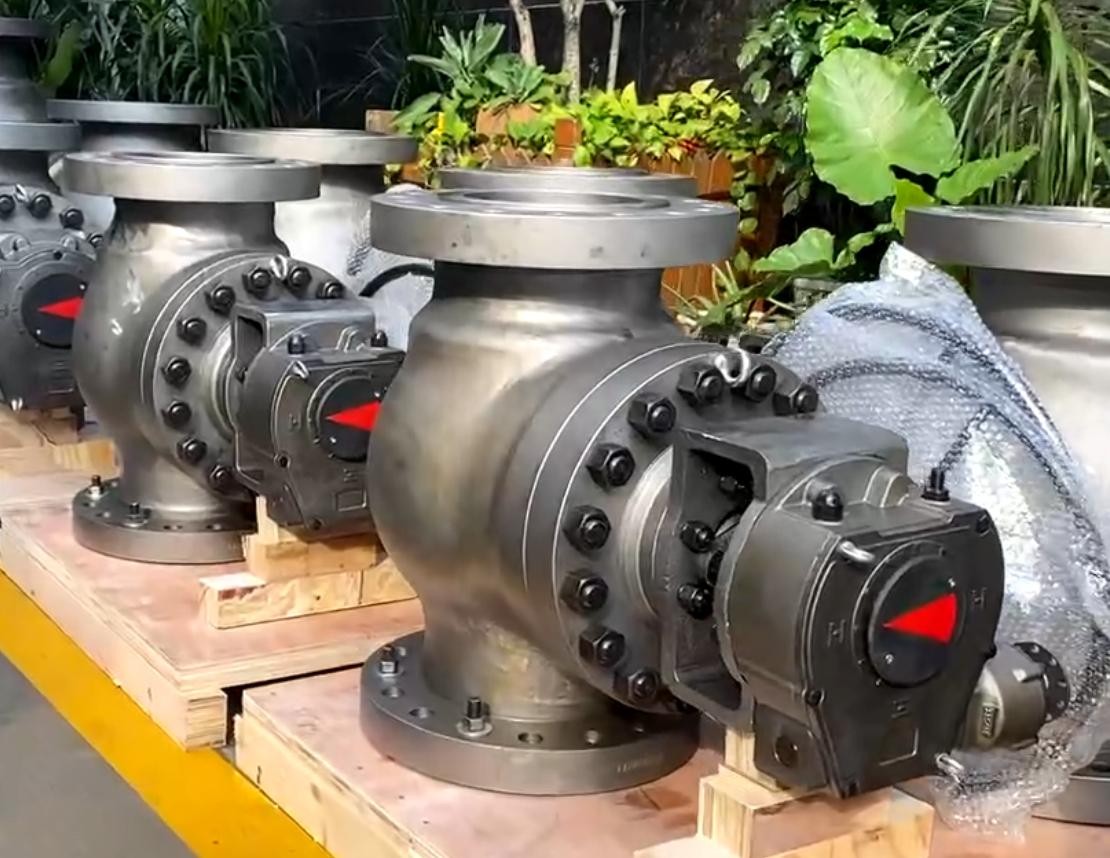
Structure: A ball valve consists of a ball with a hole in the middle that rotates to control the flow. In a hard-sealed ball valve, the ball and the valve seat are made of hard materials, which provides a tight seal even under high pressure and temperature.
Durability: The hard-sealed construction provides exceptional durability. Hard materials resist damage from fluid impacts and erosion, allowing the valve to maintain performance over extended periods, especially in harsh environments.
Performance in Extreme Conditions: These valves are designed to perform well under high-pressure, high-temperature, and extreme service conditions. This makes them ideal for applications in the oil and gas, chemical, power, and mining industries, where harsh conditions are common.
Low Maintenance: Hard-sealed ball valves generally require less maintenance compared to soft-sealed ball valves, as their seals are less prone to wear and deformation. This is especially important in critical applications where reliability and uptime are essential.
Flow Control: The ball can rotate 90 degrees from fully open to fully closed, providing reliable and fast flow control. The hard seal ensures that the valve maintains a tight shut-off even after many cycles.
Pressure and Temperature Range: These valves can operate across a wide range of pressures (up to several thousand psi) and temperatures (ranging from cryogenic to extremely high temperatures, depending on the material).
Applications:
High-temperature steam systems: For controlling the flow of steam in power plants or other high-heat processes.
Oil and gas production: Hard-sealed ball valves are used in upstream and downstream processes, where high pressures and abrasive fluids are present.
Chemical processing: Handling corrosive and abrasive chemicals, where soft seals would fail more quickly.
Mining: In mining operations, where the fluids are often very abrasive.
Long Service Life: Hard seals offer superior resistance to wear and corrosion, extending the lifespan of the valve.
Leak-tight Sealing: These valves can provide a leak-proof seal, even under high pressure and temperature, which is essential in critical applications.
High Flow Capacity: Ball valves have a large flow capacity due to the smooth, full bore of the ball, which reduces pressure drop.
Reliability: Less prone to leakage over time compared to soft-sealed valves.